The process of tobacco manufacturing is quite intricate and involves several phases ranging from the preparation of raw materials right up to packaging. The manufacture of each phase of tobacco necessitates special equipment that will ensure that the product quality remains constant and that the materials used have certain characteristics that can facilitate production. Various kinds of Tobacco Equipment are involved in the manufacturing process, and these include equipment for conditioning leaves, cutting, mixing, filling, and packaging.
1. What Are the Main Categories of Tobacco Equipment?
The Tobacco Equipment used in modern production plants varies depending on the tobacco product, process involved, and production rate.
Tobacco Preparation and Processing Equipment
Tobacco processing equipment prepares the raw tobacco leaves before they undergo other production stages. The equipment includes leaf sorters, stem removers, and tobacco processors. They help to eliminate any extraneous materials, sort out the leaf parts, and prepare the tobacco for further processing.
Feeding conveyors and automatic weighers may be used in some processing lines to ensure a steady flow of materials. Good preparation will minimize the presence of foreign materials and make the mixture more uniform. Selection of appropriate Tobacco Equipment at this stage by the producers is crucial.
Tobacco Cutting and Shredding Equipment
Cutting and shredding machines break down the processed tobacco leaves into smaller and more consistent sizes. The required width for cutting and the size of particles depend on the desired end product.
The standard industrial cutting equipment consists of feed rolls, cutters, transmission units, and adjustment devices. For instance, in some products where shredded tobacco is used, the width of cutting may range from 0.6 to 1.2 millimeters, but that will depend on the product and process used.
Tobacco Drying and Conditioning Equipment
Drying and conditioning equipment is used to control the moisture and temperature in tobacco products. The latter affects material flexibility and handling properties. In the case of a conditioning system, heating, humidification, airflow, and temperature control could be implemented. Rather than using a single moisture setting for all products, the producers need to develop an appropriate range of operations based on testing of the products.
For instance, temperature sensors and humidity monitoring systems could help operators detect possible deviations in the process before any problems occur with the material.
Tobacco Packaging and Wrapping Equipment
Packaging equipment handles the final stages of tobacco manufacturing, including weighing, filling, sealing, and labeling. Automated machines help maintain consistent package weights, reduce manual handling, and improve production efficiency.
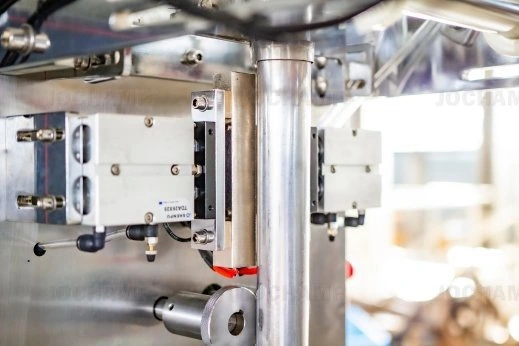
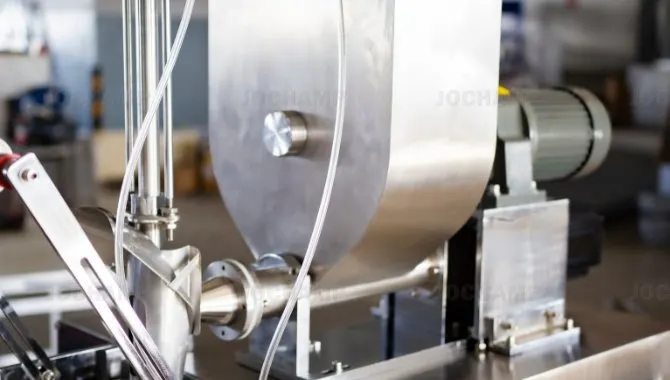
For shisha tobacco manufacturers, sticky mixtures containing molasses and glycerin can cause filling difficulties and inconsistent dosing. The Machine d'emballage verticale de tabac à chicha SHISHAPACK JCSV-400 is a suitable choice for these applications. It handles 20–60 g filling weights, operates at approximately 20–60 packages per minute, and offers a dosing accuracy of around ±4%, making it suitable for small-package shisha tobacco production.
2. How Does Tobacco Equipment Work in the Manufacturing Process?
While machines have their unique duties, there is a need for them to work in a coordinated order. Learning how Tobacco Equipment operates along the entire production line can assist in identifying possible process problems.
Preparing Raw Tobacco Leaves for Further Processing
This stage consists of sorting and preparing the tobacco leaves that have been received. Sorting machinery sorts materials depending on their quality or properties, whereas processing machinery separates unwanted stems and other materials from them. After that, the sorted leaves are fed to conditioning/cutting machinery via conveyors. It is vital for feeding to be consistent since an inconsistent feed causes processing problems.
Cutting and Blending Tobacco to Meet Production Requirements
The leaves of the tobacco are cut to the desired size by the cutting machinery after preparation. This prepared material can then be subjected to blending machinery, where different types of tobacco or approved materials are blended according to the product specifications.
The time of mixing, distribution of the material, and speed of feeding affect the batch uniformity. For instance, the batch mixture may run for a certain set period of minutes, but the actual time depends on the nature of the material and the design of the machine.
Controlling Moisture and Temperature During Processing
Management of moisture and temperature is very important at all stages of tobacco processing. If there is too much moisture, the material will be hard to handle, and not enough moisture will result in brittle leaves and more material being wasted.
Conditioners employ sensors and control systems to ensure proper operation. In some production lines, temperature and humidity levels are linked to the control panel, making adjustments easier. Integrated Tobacco Equipment ensures consistent processing conditions for different batches of production.
Packaging Finished Products for Storage and Distribution
After the completion of processing and blending, the final products go to the packaging stage. The automatic dosing system determines the volume of the product that needs to be packaged, whereas the filler machine fills the material into the respective container.
The sealing machine seals the package to ensure safety while transporting and storing. Other packaging machines, like a labeling machine or cartoning machine, can be used, depending on the packaging style.
3. What Factors Should Manufacturers Consider When Selecting Tobacco Equipment?
Tobacco Equipment selection should not only depend on the comparison of purchase prices. The manufacturer should analyze production needs, equipment specifications, and operating conditions before purchasing the entire range of machinery.
Production Capacity and Processing Requirements
One of the first parameters to consider is production capacity. A comparison of the rated capacity of the machine and the needs of the manufacturer for production should be made.
For instance, the rated capacity of the packaging machine can reach 30 packages per minute and, hence, 1,800 per hour. However, capacity will be lower due to changes in materials used, container changes, cleaning, and pauses. Purchasing machines with suitable capacity will help avoid both a lack of production capacity and excessive equipment size.
Equipment Compatibility and Production Line Integration
The individual machines need to cooperate in relation to their feed height, feed speed, flow rate, and interface control. Different equipment may result in delayed transfers or the need for extra alterations.
In addition, it is important to make sure that the equipment is compatible with the container size and filling method. It will be much easier to control the automated process with the help of PLC control and proper interfaces.
Operating Costs, Maintenance, and Equipment Durability
Purchase price is only one part of the total equipment cost. Electricity consumption, replacement parts, labor requirements, and scheduled maintenance also affect long-term operating expenses.
Before purchasing, manufacturers should examine:
- The expected service life of major mechanical components.
- The availability and replacement cost of wear parts.
- Cleaning and maintenance requirements.
- Technical support and spare parts availability.
Regular inspection of blades, motors, bearings, and conveyor systems can help identify mechanical wear before it causes unexpected downtime.
Automation Level and Operator Requirements
Each machine has to be compatible in terms of feeding heights, conveyor speeds, material handling, and control interfaces. Mismatching machinery may lead to transfer problems or further modification needs.
The manufacturers also have to ensure that their machinery is capable of dealing with certain container sizes, filling procedures, and production formats. In an automatic factory, using a PLC control system and compatible interfaces may ease the process.
Conclusion
Modern tobacco manufacturing uses various types of Tobacco Equipment, including preparation and processing machines, cutting and shredding machines, conditioning systems, blending equipment, and packaging machines. Each type performs a specific function, from preparing raw materials to packaging finished products. Together, these machines support consistent processing and efficient production. For manufacturers looking to improve their shisha tobacco packaging operations, SHISHAPACK offers specialized machinery for different packaging requirements. If you have any questions about Tobacco Equipment types or suitable packaging solutions, feel free to contacter SHISHAPACK pour plus d'informations.