
Molasses tobacco differs from dry tobacco in terms of packaging due to its sticky nature and moisture level, which can have an impact on feeding, dosing, sealing, and storing the product. As production volumes increase, manual packaging can also make consistent filling and efficient production more difficult. An Automatic Molasses-Tobacco Packaging Machine can automate different stages, including filling and dosing, pouch packing, flow wrapping, and secondary cartoning.
Various machine models may be suitable for various packaging operations. Filling and dosing machines emphasize precise portioning, pouch packing machines unite filling and sealing, flow wrapping machines offer continuous film packaging, while cartoning machines perform secondary packaging. Awareness of these types may be helpful when choosing the appropriate equipment for packaging operations.
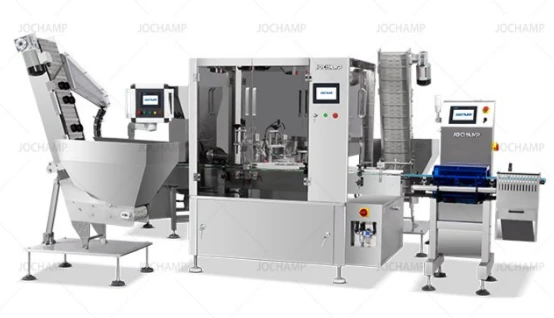
1. What Is an Automatic Molasses-Tobacco Packaging Machine?
An Automatic Molasses-Tobacco Packaging Machine refers to equipment that can automate one or several processes in molasses-tobacco packaging, including feeding, dosing, filling, sealing, wrapping, or secondary packing of the product. The exact configuration depends on the product characteristics and final package format.
Compared with manual or semi-automatic packaging, automated equipment can provide more consistent operation and reduce the amount of direct handling required during production. For commercial production, an integrated system may also connect filling and sealing processes to create a more continuous workflow.
How Does the Packaging Process Work?
The packaging process normally begins with product feeding and material preparation. The molasses tobacco is delivered into the dosing unit, where it is measured and fed into the packaging material. After that, the machine makes the package or takes it and fills the product, then seals it. A typical workflow can include:
- Product feeding and material transfer
- Controlled weighing or volumetric dosing
- Pouch or film forming
- Automatic product filling
- Heat sealing or other sealing methods
- Cutting and package discharge
- Inspection or secondary packaging
An Automatic Molasses-Tobacco Packaging Machine must handle these steps while maintaining stable material flow. For sticky products, the feeding and dosing system is particularly important because inconsistent product movement can influence both filling accuracy and production speed.
Key Performance Requirements
An Automatic Molasses-Tobacco Packaging Machine should maintain stable operation when handling sticky tobacco and different packaging formats. Several basic performance factors are important:
- Stable dosing: Helps maintain consistent filling weights and reduce material waste.
- Reliable sealing: Supports package integrity and helps prevent leakage or weak seals.
- Smooth material handling: Reduces product buildup and supports consistent feeding.
- Flexible adjustment: Allows filling quantities, package sizes, and sealing parameters to be adjusted for different products.
These features can assist in achieving constant package quality and production efficiency. Ease of access to material-contacting parts may be convenient for cleaning and servicing, particularly if the equipment is used for packaging different types of molasses tobacco.
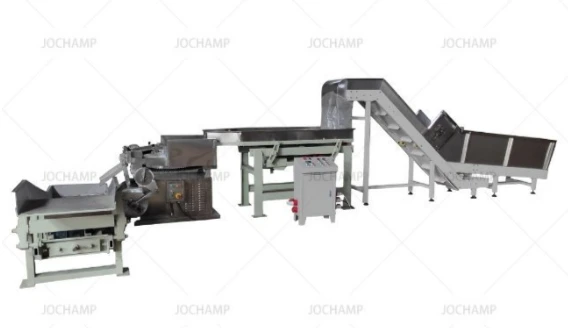
What Types of Automatic Molasses-Tobacco Packaging Machines Are Available?
The most suitable Automatic Molasses-Tobacco Packaging Machine depends largely on the package structure and production stage that needs to be automated. Some machines focus on accurate filling, while others combine primary packaging with wrapping or secondary packing. The main types include automatic filling and dosing machines, pouch packing machines, flow wrapping machines, and cartoning or box packing machines.
Automatic Filling and Dosing Machines
Automatic filling and dosing machines calculate and fill the necessary amount of molasses tobacco in a package for manufacturers to maintain control of portion sizes during mass manufacturing processes. Depending on the material used and weight, the dosing system will use either a weighing system, pumps, an auger, or any other method to feed material in a controlled way. In the case of sticky tobacco, it is crucial to provide stable flow.
An Automatic Molasses-Tobacco Packaging Machine with a suitable dosing system can help reduce manual measurement and improve filling consistency. The required filling range should be selected according to the package specifications, target weight, and production requirements.
Automatic Pouch Packing Machines
Pouch packing machines combine filling and sealing as one primary packaging process and can make various types of pouches depending on the machine model, material, sealing system used, and package sizes. Pouch packing machines for molasses tobacco can create sealed pouches of convenient size for storage and transportation purposes; the tasks of film feeding, pouch creation, filling, sealing, cutting, and bag discharge may be combined in one process.
The production speed is also an important factor when choosing an Automatic Molasses-Tobacco Packaging Machine. For instance, a machine working with a capacity of 60 bags per minute can manufacture theoretically up to 3,600 bags an hour under continuous operation.
Automatic Flow Wrapping Machines
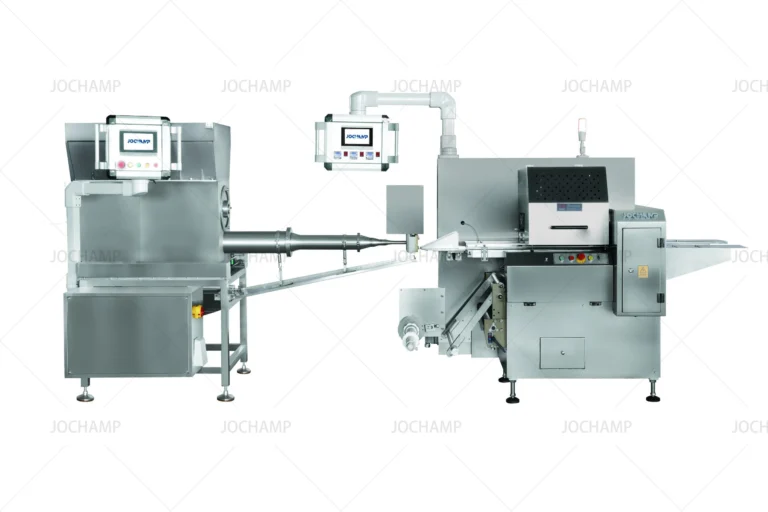
Flow wrapping machines use continuous film feeding to create sealed packages around the product, making them suitable for manufacturers that need continuous wrapping and a consistent package appearance. A typical system controls film feeding, product positioning, forming, longitudinal sealing, end sealing, and cutting, with accurate synchronization helping prevent misalignment or incomplete sealing.
An Automatic Molasses-Tobacco Packaging Machine based on flow wrapping technology can be used when the packaging format requires continuous film wrapping and reliable sealing. During equipment configuration, factors such as film width, package length, sealing temperature, and product dimensions should be matched to the packaging requirements.
Automatic Cartoning and Box Packing Machines
Cartoning and box packing machines are mainly used for secondary packaging after individual pouches or wrapped packages are produced. They can automatically place finished packages into cartons or boxes for transportation and retail distribution, while functions such as carton forming, product counting, carton closing, and coding can be integrated according to the production line.
For larger production lines, an Automatic Molasses-Tobacco Packaging Machine may work with secondary packaging equipment to reduce repetitive manual loading and maintain a more consistent packing process. This combination can support higher production volumes while creating a more complete automated packaging workflow.
Wniosek
Various kinds of automatic molasses-tobacco packaging machine systems will fit various steps of production, such as exact dosing and pouch stuffing, flow packing, cartoning, and secondary packing, based on requirements such as product features, package type, output, and automation. If you pay attention to dosing precision, good sealing, ease of cleaning, and flexible packing options when designing your production line, you will be able to ensure greater efficiency and stability in the production process. Please skontaktuj się z SHISHAPACKiem if you have any questions concerning molasses-tobacco packing machines or need assistance in choosing the appropriate machine for packing.
.webp)