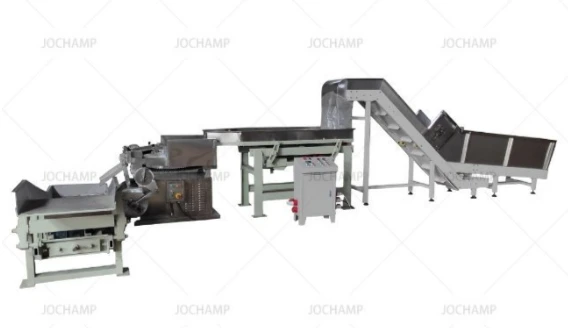
Safety must not be compromised in any business involving the production of shisha tobacco, especially for sale. Staying in compliance with overall safety measures ensures the safety of workers, the quality of produced goods, and meeting legal requirements. Below are the main practices every shisha tobacco manufacturer needs to embrace.
1. Personal Protective Equipment (PPE) Requirements

These are the main PPE requirements that should be observed to avoid risks in the tobacco production sector.
- Gloves for Safety
Gloves help prevent direct contact with tobacco, chemicals, and other potentially hazardous materials, as well as skin rashes and infections. Select appropriate gloves for the task and ensure they are easily replaced to avoid compromising the workers’ hands.
- Masks to Protect Breathing
Masks protect workers from inhaling the dust and fumes from tobacco, chemicals and other substances. They should be filtering these particles out to ensure that the workers are safe from them. Ensure to wash masks frequently so that they maintain the effectiveness of the covering.
- Eye Protection
Personal protective equipment such as safety goggles shields workers from tobacco dust as well as chemicals. They include protection from eye injuries, and chemical splashes, among others. Where such risks prevail, make sure that the workers wear goggles.
2. Safe Handling and Storage of Raw Materials
These are some of the measures that should be implemented to manage and store raw materials such as tobacco and chemicals diligently.
- Proper Storage Conditions
Some of them are tobacco, chemicals and flavoring, keep them in a cool dry place. It is also important to note that exposure to high or low temperatures affects them. Store all products securely to prevent spoilage or mishap accidents.
- Labeling and Organizing
It is important to label all material with the names, storage conditions, and expiration dates. This eliminates confusion and makes sure that the workers go about their tasks in the right manner. Overall organization of the specific environment prevents accidents and contamination of stored products.
- Handling Chemicals Safely
When using chemicals for flavoring or moistening tobacco, always observe standard precautions. Recycling requires the use of proper containers to prevent spillage of liquid substances. Educate the workers on how to handle and store the chemicals needed for the process.
3. Proper Ventilation in the Production Area
These are the ways to attain good ventilation in the production area for the safety of the workers engaged in production.
- Good Airflow is Key
Fresh air is also more important, since it clears the room of dangerous gases and dirt particles that circulate in the air. Ventilate the rooms with exhaust fans for proper air circulation and avoid the accumulation of bad odors. This makes certain that the workers are free from unsafe air, thus improving their health status.
- Ventilation System Maintenance
Heating and cooling systems require being well maintained to be able to deliver their intended services effectively. Replace or clean filters and look for any blockages to ensure that there is no interruption of airflow. Proper maintenance ensures that the environment is safe for people to work ineffectively.
- Monitor Air Quality
Install air quality samplers to measure the concentration of dust and chemicals in the air. This way, potential problems with ventilation can be identified on time. The measurement of air quality helps in creating a healthy working environment for all inhabitants.
4. Chemical Safety in Shisha Tobacco Production
The following are the safety measures for handling and storing the chemicals used in tobacco production.
- Safe Handling of Chemicals
When handling chemicals, require workers to use proper personal protective equipment. These are chemicals for flavoring or moistening tobacco, and some of them can be dangerous. Educate the workers on how to deal with the chemicals appropriately.
- Store Chemicals Safely
Chemicals must be stored in impermeable bags with appropriate labels in a cool and dry place. This makes situations like spilling food or similar occurrences avoidable. Chemicals must be stored properly and in an orderly manner so that they can be easily accessed for use when necessary.
- Disposal of Chemicals
It is important to get rid of chemicals once it is no longer in use. Do not flush them down the sink or throw them in the normal trash bin. Ensure proper measures or methods for disposing of chemicals are followed to embrace safe environmental management.
5. Fire Safety in Shisha Tobacco Manufacturing
These are the various measures that should be put in place to enhance fire safety within the tobacco manufacturing process.
- Fire Extinguishers and Protocols
Ensure that there are fire extinguishers conveniently placed in the production areas. Any employee in a company should be able to utilize them. Establish measures or rules that should be followed by workers in case of an outbreak of fire.
- Handling Flammable Materials
Do not use or store flammable items such as tobacco or certain chemicals near heat-producing items such as heaters. They are usually kept in flameproof containers so that they do not cause fires. This leads to minimizing the occurrences of fire accidents within workplace premises.
- Fire Drills and Training
Fire alarms should be practiced often so that all the employees are informed on how they should conduct themselves in case of a fire. Employees should be familiar with emergency exits and firefighting equipment. By performing drills on a routine basis, all the participants know how to react accordingly and safely.
6. Maintaining Clean and Hygienic Workspaces

These are the cleaning practices that make the workplace clean and safe from diseases.
- Sanitize Equipment Regularly
To reduce contamination, ensure all production equipment is clean. This may include tobacco mixers, cutters and any other machines. To have proper cleaning of the equipment and quality products, employ safe cleaning agents.
- Clean Work Areas
Surfaces where people smoke should be cleaned daily to get rid of tobacco dust and other particles. This prevents cross-contamination and helps to provide a clean work place. Clean up all floor surfaces and remove all waste products from the area.
- Waste Management
Properly dispose of waste, such as tobacco scraps and packaging. Label bins and remember to empty them after a while to prevent any cross-contamination. Proper waste disposal helps to maintain cleanliness and, thus, prevents accidents from occurring at the workplace.
7. Employee Training on Safety Protocols
These are the training practices that make it possible for your employees to have the right safety knowledge and measures.
- Ongoing Safety Training
Newcomers should not be left out when offering employment safety training to the workers. This includes, for example, appropriate protective equipment, chemical protection and fire protection. Professional development ensures that safety is always prioritized in the working environment.
- Emergency Procedures
Make sure the workers have knowledge on how to handle emergency situations such as fire outbreak or chemical spillage. Through safety signs and procedures, educate them on emergency drills and the use of safety gears. This work facilitates employee response to emergencies with a lot of ease and cool temper.
- Continuous Education
The safety training must be conducted continuously. It is good to modify the training program whenever new materials or equipment are to be utilized. This assists the workers to be updated and makes the place secure.
8. Emergency Procedures and First Aid
All these are the steps to follow when handling emergencies and first aid at the workplace.
- Burns and Chemical Exposure
If a worker has a chemical burn, the affected area should be rinsed with water right away. Take off such clothes and seek medical attention if affected. Be sure that all boxes are filled with appropriate supplies to treat all kinds of injuries and are placed at noticeable places.
- Handling Injuries
If the incident is not severe, these may include bruises, cuts, or sprains, these must be given first aid. Employers should explain to the workers how these injuries should be treated to avoid being infected by some diseases. First aid supplies are necessary to have since they enable one to promptly address the accident.
- Accident Reporting
Establish clear and distinct procedure for reporting accidents. Each and every occurrence should be written down and then evaluated. It also assists in preventing future mishaps and enhancing employee protection.
9. Ensuring Safe Transportation and Distribution of Shisha Tobacco

The following are the measures that practitioners recommend when it comes to the transportation and distribution of shisha tobacco.
- Packaging and Labeling
Ensure shisha tobacco is well-packed in order not to be affected by any other form of impact during transportation. Marking packages appropriately to inform consumers of the contents and handling of the products. It preserves the product and ensures it is not damaged during the delivery process through appropriate packaging.
- How to Transport Safely
The transport workers should always handle the finished products in a very careful manner so that they are not damaged. Make sure that the vehicles used in production are clean and safeguard the products from any form of contamination. Proper handling during transportation would help in preserving the quality of the product in question.
- Temperature Control
Shisha tobacco needs to be shipped and stored in refrigerated vehicles to enhance its shelf life. That may depend on severe temperatures that cause deterioration in the quality of the tobacco used to prepare the cigarettes. Make sure you provide the proper environment to preserve the quality of the product.
Conclusion
By following these safety guidelines, you can ensure a safe working environment, protect your workers, and maintain the high quality of your shisha tobacco products. Proper training, the right equipment, and safe handling practices are key to running a successful, safe operation.
.webp)