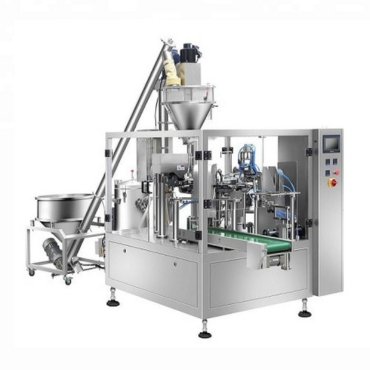
The Shisha Tobacco Packing Machine is a type of machine used for the automation of activities such as weighing, filling, and packing shisha tobacco in bags or any other container. The machine allows manufacturers to facilitate the process of production and operation of their equipment. The accuracy of each fill directly affects the overall packaging quality. Some factors may affect the accuracy of operation of the Shisha Tobacco Packing Machine, and they are described below.
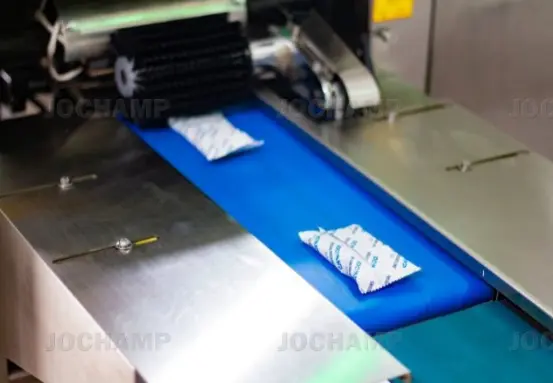
1. Why Is Packing Accuracy Important for Shisha Tobacco?
Shisha tobacco is a sticky substance. In addition, it differs from the dry granular products in terms of its texture and density. To facilitate the process of filling, a properly adjusted Shisha Tobacco Packing Machine is necessary. Accurate filling provides some benefits, including:
- Consistent net weight: Each package stays closer to its specified target weight.
- Lower material waste: Reduces excessive filling and unnecessary product consumption.
- Better packaging quality: Helps maintain uniform package appearance and dimensions.
- Improved cost control: Makes raw material usage and production planning more predictable.
For instance, when 2,000 packets are being filled in one shift, and there is 1 g of overfill per packet, the company wastes 2 kg of tobacco each shift. That is one example of why even slight weight differences can be very important for larger manufacturing quantities.
2. 7 Factors That Affect Shisha Tobacco Packing Machines’ Accuracy
1. Shisha Tobacco Characteristics
The physical characteristics of the tobacco affect its flowability. Moisture level, viscosity, cut length, and density of the material might influence filling precision. Excessive moisture in the tobacco makes it stick; thus, the material tends to collect around feeding units. On the other hand, tobacco with unevenly cut pieces might split during transportation, hence affecting the filling process.
Manufacturers need to consider:
- Moisture content: Maintain a consistent level according to the product formulation.
- Cut size: Avoid excessive variation in tobacco pieces.
- Material density: Keep the blend and preparation process consistent.
- Foreign particles: Remove unwanted materials that could obstruct the feeding mechanism.
2. Filling System and Dosing Mechanism
Filling technique determines how tobacco is measured and packed in each package. Different techniques will suit different properties of the material and packaging needs.
| Filling System | Working Principle | Key Consideration |
| Volumetric dosing | Measures tobacco by volume | Sensitive to density changes |
| Weighing-based dosing | Measures material by weight | Requires accurate load cells and calibration |
| Auger feeding | Uses a rotating screw to move material | Requires suitable screw design for sticky tobacco |
Where shisha tobacco is concerned, the selection of the method depends on its moisture content, characteristics, target weight, and output needs. Weighing technique measures net weight, while volumetric dosing needs regular adjustment when tobacco density changes.
3. Machine Calibration and Parameter Settings
Calibration ensures the accuracy of the measurements by checking if the amount of tobacco measured is the same as the quantity actually dispensed. Inaccurate load cell measurements, improper sensor settings, and inappropriate dosing settings may lead to consistent errors.
For a Shisha Tobacco Packing Machine, calibration should be done as per the manufacturer’s recommendation, especially when the machine has been moved, serviced, or parts changed. The operator should verify:
- Target filling weight and allowable deviation.
- Weighing sensor readings and zero-point stability.
- Dosing time and feeding duration.
- Filling delays and cutoff settings.
4. Feeding Speed and Material Flow
Feeding speed determines the amount of tobacco that goes into the dosing zone for a given period. If the feeding system is running too fast, there might be accumulation or excess of the tobacco material beyond the required quantity. If it runs too slowly, it might affect the efficiency of production.
This interaction is particularly critical when it comes to sticky tobacco. The operators need to vary the speed of the conveyor belt, screw rotation, and filling time simultaneously without varying a single parameter without regard for the other parameters. This way, a consistent filling will be attained by the machine.
5. Packaging Material and Bag Dimensions
Specifications of packaging material also affect the performance of filling operations. Packaging materials having small openings, varying dimensions, and poor alignment could result in spillage of the tobacco. The following information should be ensured before starting production operations:
- Bag width and height must match the machine settings.
- The opening should remain stable during filling.
- Film thickness should suit the sealing and forming system.
- Bag positioning should be consistent throughout the production cycle.
When changing package sizes, operators should verify the forming components, bag positioning, and filling height before restarting full production.
6. Machine Components and Mechanical Wear
Faulty mechanical parts can gradually lower dosing precision. Faulty connections, damaged feed screws, faulty conveyors, and erroneous sensors can result in inaccurate material delivery. Inspection should focus on the following parts:
| Component | Potential Accuracy Issue |
| Load cells | Incorrect weight readings |
| Feeding screws | Uneven material delivery |
| Sensors | Incorrect filling or cutoff signals |
| Conveyors | Unstable package positioning |
| Sealing components | Inconsistent package closure |
Routine maintenance helps to notice any wear that can cause recurrent filling issues. Cleaning is also necessary because the residues of tobacco may build up near the contact surfaces and hamper the movement of material.
7. Operating Environment and Operator Skills
Temperature and humidity might affect tobacco moisture and material properties. Fluctuations in environmental parameters could thus have an impact on feeding accuracy, especially if tobacco is being stored or processed in an uncontrolled environment.
The skills and experience of operators also play an important role in achieving desired accuracy in filling. Inadequate parameter adjustments, incorrect material loading, and failure to act upon machine alarms would result in unnecessary variations. A Shisha Tobacco Packing Machine must be run in optimal conditions with properly trained staff following instructions for machine starting, adjusting, cleaning, and inspecting.

3. How to Improve Accuracy in a Shisha Tobacco Packing Machine
Improving filling accuracy requires attention to material preparation, measurement systems, and production settings. Rather than increasing machine speed immediately, manufacturers should identify the source of weight deviations and make adjustments based on actual test results.
Control Tobacco Moisture and Material Consistency
Maintain proper levels of tobacco moisture and cut size according to the specifications of the product formula. Keep raw materials in appropriate closed containers to control moisture variations. The stability of material properties will provide consistent feeding and dispensing conditions for a Shisha Tobacco Packing Machine.
Calibrate the Filling and Weighing Systems Regularly
Use check-weighing sensors by testing packages with the help of certified test weights and use the equipment manufacturer’s calibration method. For instance, operators may test several packages using a 50 g target weight and compare them with the actual weight of these packages. The data should be recorded to detect any gradual deviations and recalibrate the equipment whenever required.
Optimize Filling Speed and Machine Parameters
Adopt feeding speed, dosing time, and cutoff based on the specifics of tobacco and the target package weight. After each adjustment, run several tests on the Shisha Tobacco Packing Machine to ensure consistent filling accuracy and minimize material waste.
4. Conclusion
Accuracy of packing is influenced by many interrelated factors such as characteristics of tobacco, dosing systems, calibration, feed rate, packaging specifications, and equipment condition. Frequent testing and preventive maintenance allow manufacturing companies to ensure a constant weight of packs produced without material wastage. Selecting a proper Shisha Tobacco Packing Machine also involves ensuring that its filling system and output capacity correspond to real needs. For additional questions regarding equipment selection and shisha tobacco packaging, you can contact SHISHAPACK.