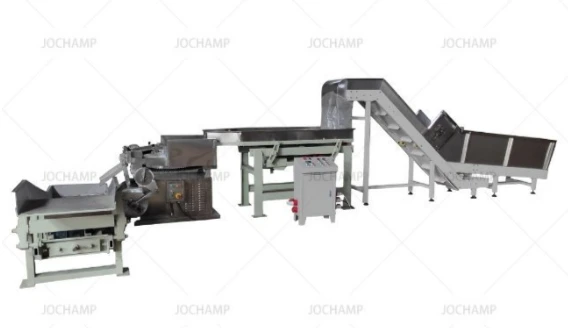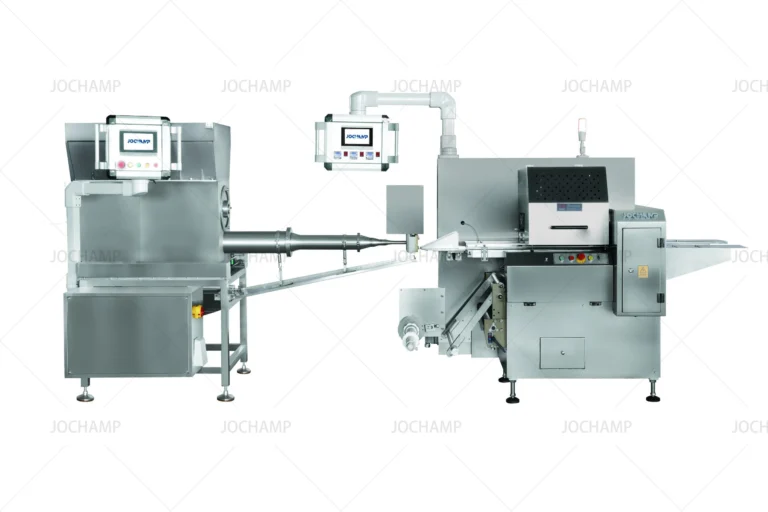
The contemporary production of tobacco implies various processing steps at which certain machinery is needed to perform a particular function. Tobacco Machinery may be engaged in various activities, such as leaf preparation and cutting, cigarette making, packing, conveying, and inspection. The exact type of equipment used depends on capacity, specifics of tobacco, product features, and level of automation of the plant.
For manufacturers, it is essential to understand major classes of Tobacco Machinery since they all have a different impact on various stages of the production process. A rational organization of production will provide more effective coordination of material transportation, processing rate, moisture content, material forming,g and packaging. The following sections provide information about major types of machinery and their role in the production process.
Tobacco Processing Machinery
The first class of Tobacco Machinery is applied to prepare tobacco materials before using them in cigarette manufacturing or other processes. In general, processing machinery deals with cut size, moisture, blending, and homogeneity of material.
Tobacco Cutting Machines
Tobacco cutting machines reduce prepared tobacco leaves or related materials into strips with controlled dimensions. Cutting width is an important parameter because inconsistent strip sizes can affect feeding behavior and subsequent processing. With respect to the equipment type and production processes, cutting width can usually be controlled within a few millimeters. The industrial equipment allows continuous processing of large volumes, whereas the automatic material feeding system will help in maintaining a stable flow of materials.
Tobacco Drying Machines
These machines ensure proper moisture control when processing tobacco. Too much moisture might negatively affect the material handling process, whereas not enough moisture could cause brittleness and difficulties with further processing of tobacco. Industrial drying systems use controlled temperature and airflow, as well as residence time, in most cases. Sometimes, the moisture content could be measured within a certain percentage range to maintain proper conditions. Appropriate temperature and drying time depend on the tobacco type and desired properties.
Tobacco Conditioning Machines
Conditioning equipment is designed to adjust the physical condition and moisture distribution of tobacco materials. Steam, warm air, or controlled humidity may be used to bring tobacco to a suitable state for subsequent processing. A conditioning system may monitor several parameters simultaneously, including temperature, humidity, and material residence time. Keeping these conditions stable can help reduce variations between different production batches.
Tobacco Blending Machines
Blending machines combine different tobacco materials according to a predetermined formulation. Uniform distribution is essential because uneven blending can create variations in the characteristics of the finished product. Modern Tobacco Machinery for blending may use controlled feeding rates and continuous material movement. For larger production lines, several feeding units can operate together so that different materials enter the blending process at accurately controlled proportions.
Cigarette Making Machinery
After primary processing, Tobacco Machinery used for cigarette production performs forming, filter preparation, and filter attachment. These machines are generally integrated into continuous production lines to maintain a consistent production speed.
Cigarette Making Machines
Cigarette-making machines form prepared tobacco into cigarette rods and combine them with cigarette paper. The process requires accurate control of tobacco feeding, paper movement, rod formation, and cutting. Depending on the machine model, industrial cigarette-making equipment can operate at speeds measured in thousands of cigarettes per minute. Stable synchronization between the tobacco supply and paper transport systems is essential for maintaining consistent dimensions.
Filter Making Machines
Filter-making machines produce filter rods from suitable filter materials. These machines control material feeding, rod formation, wrapping, and cutting. Filter dimensions must remain consistent because variations in length or diameter can affect downstream tipping operations. Typical filter rod production systems may use cutting tolerances measured in fractions of a millimeter, depending on equipment specifications.
Cigarette Tipping Machines
Tipping machines connect cigarette rods with filter sections using tipping paper. The equipment should ensure proper alignment, glue application, paper feed, and cutting. Correct alignment is especially important as even small deviations could affect the appearance and structure of the final product. Automated tipping systems therefore synchronize several mechanical operations at high production speeds.
Tobacco Packaging Machinery
After cigarettes have been produced, the company proceeds to the packaging process. This is done using packaging equipment that ensures proper protection of the finished product as well as its standardization.
Cigarette Packing Machines
Cigarette packing machines sort the cigarettes into predetermined groupings and put them in packaging materials. In accordance with the specifications of the product, each pack may consist of a specific number of cigarettes, for example, 20. The equipment can perform several operations automatically, including material feeding, folding, sealing, and pack transfer. Production speeds vary significantly by machine configuration, with industrial systems commonly operating at several hundred packs per minute.
Cartoning Machines
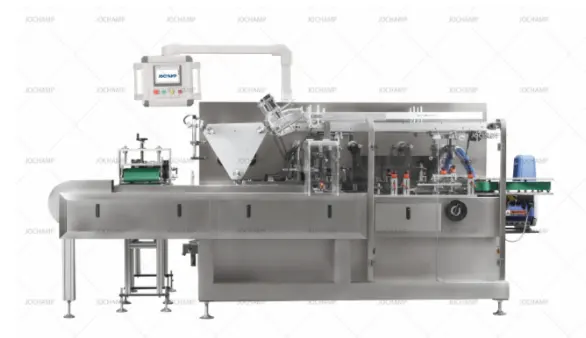
Cartoning machines fill each pack of cigarettes in cartons or additional packages. The system controls the formation of cartons, insertion of products into cartons, their closure, and removal from the machine. Automated cartoning systems can perform operations on many cartons in one minute. Sensors can recognize missing or incorrectly inserted packs in cartons before they leave the machine.
Overwrapping Machines
Overwrapping machines apply an external film around packs or cartons. The wrapping process can provide an additional protective layer against dust, handling, and environmental exposure. Modern Tobacco Machinery used for overwrapping may use heated sealing systems and controlled film tension. The right temperature is crucial because overheating will destroy the packaging materials, whereas insufficient temperature will create poor sealing.
Tobacco Handling and Auxiliary Machinery
Apart from main machines, Tobacco Machinery contains auxiliary equipment to keep the materials fed and monitor the process.
Tobacco Conveying Systems
Conveying systems transfer tobacco materials between different processing units. Pneumatic conveyors, mechanical conveyors, and other material-transfer solutions may be selected according to the material characteristics and factory layout. A properly designed conveying system helps maintain continuous production while reducing unnecessary manual handling. Airflow, conveyor speed, transfer distance, and material capacity all need to be considered during system design.
Tobacco Feeding Machines
Feeding machines deliver tobacco materials to downstream equipment at a controlled rate. Feeding is especially crucial when the process is continuous and fast. In automatic feeders, sensors or variable speed drives are used to change the rate of feeding. For instance, a system designed for continuous processing may regulate feeding rates according to downstream equipment demand rather than relying on a fixed manual supply.
Tobacco Inspection Machines
Inspection machines utilize various sensors or cameras to recognize irregularities in production. In accordance with different applications, inspections may be performed regarding dimensions, packaging positions, missing components, surface irregularities, and so on. Automated inspection can operate continuously and provide faster feedback than manual sampling alone. Inspection frequency and detection accuracy depend on the sensor configuration, production speed, and quality requirements.
How Do Different Types of Tobacco Machinery Work Together?
A complete production line requires different types of Tobacco Machinery to operate as a coordinated system rather than as isolated machines. Material flow, production speed, and control signals must be synchronized between each stage.
Tobacco Processing Stage
During the processing stage, tobacco materials can pass through cutting, drying, conditioning, and blending equipment before moving to subsequent processes. For molasses tobacco production, the SHISHAPACK Molasses Tobacco Machine is a good choice when manufacturers need more uniform mixing and stable processing. It comes in three capacities, including 100L, 200L, and 300L, with a servo motor and a maximum mixing speed of 23 rpm. Its heating, stirring, and wall-scraping mechanisms ensure that molasses is evenly distributed into the cut tobacco and minimize material accumulation during the manufacturing process.
Conveying and feeding systems then deliver the processed material to the next stage. Proper coordination between these types of Tobacco Machinery helps maintain continuous material flow, reduce manual handling, and keep tobacco characteristics more consistent throughout the production process.
Cigarette Making Stage
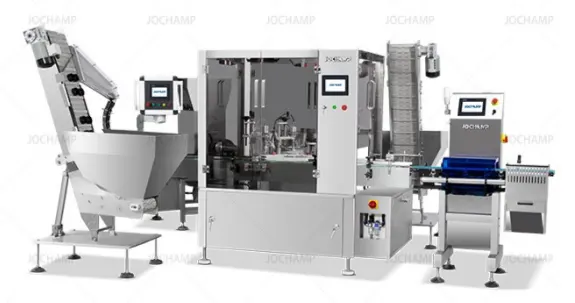
In the cigarette-making stage, prepared tobacco is supplied to cigarette-making equipment, while filter-making and tipping systems operate in coordination. Different Tobacco Machinery units must maintain compatible operating speeds to avoid material accumulation or shortages. A centralized control system is capable of tracking the production process and helping the operator to detect any interruptions. Coordination is especially necessary for a continuous production process since even a delay by one machine will impact the following processes.
Packaging Stage
After cigarettes are formed and inspected, packaging equipment completes the final production steps. Conveyors and automatic transfer systems enable the integration of packing, cartoning, and overwrapping machines. The integration process makes it possible for the Tobacco Machinery to ensure the transition from individual cigarettes to packaged cigarettes. Depending on line design, automated systems can also collect production data for monitoring and maintenance planning.
Conclusion
The types of Tobacco Machinery include processing, cigarette-making, packaging, conveyor, feeding, and inspection machines. Each machine serves a particular purpose and operates within a production process alongside others.
Various factors should be considered when choosing Tobacco Machinery. These factors include capacity, material, automation, integration, maintenance, and factory area. Selecting equipment based on the actual production workflow can improve coordination across stages. For equipment selection or production-line solutions, you can contact SHISHAPACK to discuss your needs.