Incorporating methods to improve cutting efficiency in a tobacco leaves cutting machine is important for processing plants, cigar producers, and shisha manufacturing companies. Efficiency will determine the ability to have consistent cutting of particles, increased production, and reduced downtime for the machine used. Through pre-conditioning of the material being cut, ensuring blade tolerances are correct, adjusting feeding speed, and having planned daily maintenance, the processing plant may increase production by 15-25% in addition to prolonging the lifespan of components in use.

1. Key Factors That Impact Cutting Efficiency of Tobacco Leaves Cutting Machine
Performance of a tobacco leaves cutting machine relies on the state of leaves in terms of physical properties, mechanical features, and speed synchronization. Appreciation of these key factors provides a basis for optimization of the entire process:
Moisture Level
Moisture plays an important role in the flexibility of leaves. Too little moisture in leaves (below 12%) makes them brittle; hence, more fine dust is formed during cutting. Too much moisture (over 18%) results in leaves sticking to each other, leading to clogging of the cutting machine head.
Blade Sharpness and Hardness
The condition of the cutting edge and the hardness due to heat treatment affect resistance to operation. Blunt blades create extra motor resistance, consume additional power, cause unnecessary generation of friction heat, and produce rough cut edges on leaf strands.
Uneven Feeding Compression and Synchronization of Rollers with Knife Drum Rotational Speed
The uneven pressure created by the upper feeding rollers results in material slippage during operation. The lack of synchronization between rollers’ delivery speed and the rotation of the knife drum negatively affects dimensions and shredding rate.
Clearance and Alignment
Too large or uneven clearance between the moving counter-blade and the fixed anvil blade results in binding, fast wear, and ineffective shearing of leaf strands.
2. 5 Practical Strategies to Improve Performance of Tobacco Leaves Cutting Machine
To operate efficiently in terms of throughput and dimensionality of cuts, five optimization strategies have to be used:
2.1 Control Raw Leaf Pre-Conditioning Parameters
Before feeding raw material to the tobacco leaves cutting machine, the following parameters need to be set for the conditioning cylinder:
| Process Parameter | Recommended Target | Operational Impact |
| Moisture Content | 14% – 16% | Prevents leaf breakage below 14% and sticky clogging above 16%. |
| Pre-Heating Temperature | 30°C – 40°C | Enhances leaf pliability and reduces mechanical shearing resistance. |
| Feed Bed Depth | 35 mm – 50 mm | Provides consistent compression to prevent cutter idling and motor overloading. |
2.2 Standardize Grinding of Blades and Calibration of Gap
Adhere to a precise grinding regimen in line with daily hours of operation and the amount of material being processed. Inspect the cutting edges after 8–10 hours of uninterrupted operation. Maintaining a clearance gap of 0.05 mm to 0.10 mm between the rotary knife and anvil blade will minimize cutting resistance, reduce power consumption by up to 18%, and prevent early blade dulling.
2.3 Match Feed Rate and Rotational Rate of Rotor
Use Variable Frequency Drives (VFD) to synchronize feed rate with the rotational rate of the knife drum (300 to 500 RPM) depending on desired shred size (0.8 mm to 1.2 mm). Even supply of material into the tobacco leaves cutting machine reduces jamming and helps utilize motor torque efficiently without interruptions in empty passes of the cutter.
2.4 Use Efficient Processing Machines
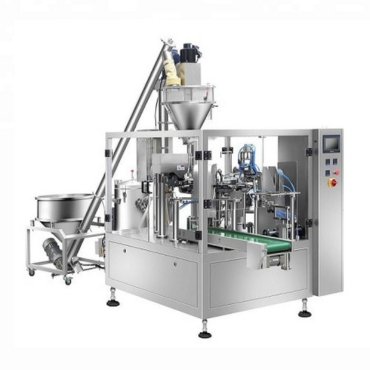
A tough machine coupled with balanced construction is the foundation for efficiency. Commercial machines like the Shishapack custom-built tobacco leaves cutting machine offer highly resistant alloy blade construction and a robust gearbox, along with an automatic feed pressure system.

2.5 Optimize Pneumatic Discharge and Dust Removal
The cut leaf particles should leave the chamber right after shearing to ensure maximum flow rate. Maintaining an exhaust air flow rate of 12 m/s to 15 m/s will help extract fine particles smoothly without creating any secondary friction due to the accumulation of material.
3. Preventive Maintenance and Daily Checklist for Tobacco Leaves Cutting Machine
A proper preventive maintenance schedule will prevent unplanned shutdown of the tobacco leaves cutting machine and will keep the machine working efficiently at all times. These are the four key tasks that should be done by technical personnel every day:
Blade and Clearance Check Before Shift Begins
Use feelers to check the clearance between the blade and the fixed anvil within the range of 0.05-0.10 mm.
Inspect the blade edge for any cracks, nicks, or sticky gums, and re-grind or replace the blade before starting production.
Servicing Drive Unit and Lubrication System
Check the drive belt tension (target value is 10-15 mm deflection under finger pressure).
Apply high-temperature, wear-resistant grease to main spindle bearings, conveyor rollers, and feed roller pivots every 50 operating hours.
Feed Track and Press Roller Cleaning
Clean residues of tobacco gum, tar, and dust formations on the surface of conveyor belts and pressure rollers to ensure even gripping effect.
The pressure provided by the pneumatic or spring compression cylinders must be uniformly applied on the feeding bed.
Post Shift Cleaning and Electric Inspections
Be sure there are no leaves left in the cutting chamber after each shift in order to prevent moisture penetration and corrosive action of the material on the knife holders.
Check the operating temperature of the drive motor (which must not exceed 75°C) and the tightness of the connection of terminal screws in the control cabinet.
4. Conclusion
For maximizing efficiency of tobacco leaves cutting machine operation, it is necessary to develop an integrated approach based on proper leaves conditioning, mechanical settings, and maintenance practices. With proper management of the moisture content of the leaves, sharp blades, feed rate, and preventive maintenance procedures, processing companies will significantly improve their productivity and preserve the quality of the product and machines.
If you have any inquiries concerning tobacco leaf cutting machine selection, cutting line adjustments, and special maintenance procedures, feel free to contact us at Shishapack at any time!