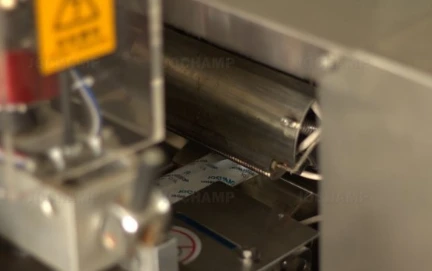
Shisha tobacco packaging requires particular care due to the presence of certain aspects, including the presence of molasses, moisture, or poor-quality tobacco that could affect the feeding, measurement, and sealing. Hand-operated packaging might cause varying portioning and increased expenses as the quantity of production grows.
The Vertical Tobacco Packaging Machine is a device that measures tobacco, cuts bags out of the packaging film, fills them, seals bag mouths, and cuts individual bags. Information about how this process works will enable you to perform packaging more efficiently and waste less material by choosing the right equipment.
1. What Is a Vertical Tobacco Packaging Machine?
Basic Structure and Packaging Purpose
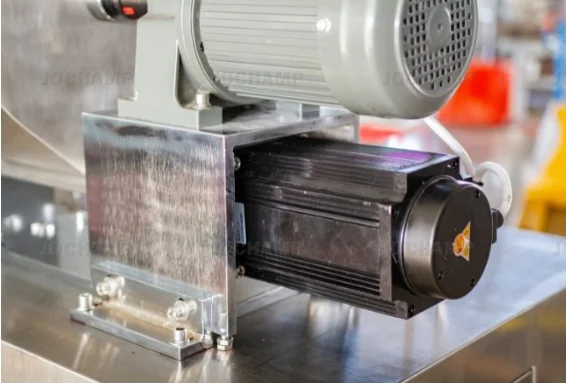
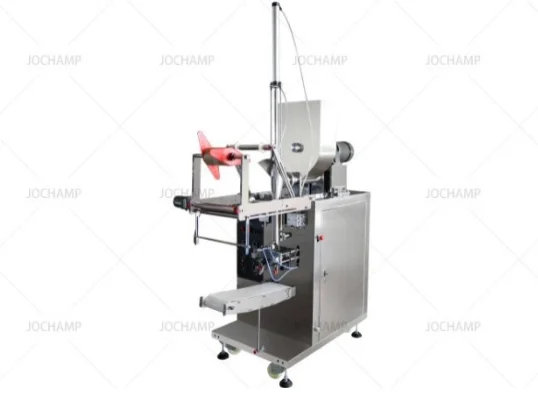
A Vertical Tobacco Packaging Machine is a machine that forms, fills, and seals flexible bags in a vertical position. Gravity helps move tobacco from the feeding station to the dosing and filling stage. The basic components are as follows:
- Feeding hopper: Holds tobacco and supplies it to the dosing system.
- Dosing system: Controls the quantity of tobacco added to each bag.
- Film transport system: Guides the film along the packaging line.
- Bag-forming unit: Shapes the film into the required bag format.
- Filling and sealing units: Transfer tobacco into the bag and close it.
- Cutting mechanism: Separates completed packages.
- Control system: Allows operators to adjust settings and monitor operation.
This combination of operations results in a continuous packaging procedure; however, there might be different combinations depending on the model of the device.
2. How Does a Vertical Tobacco Packaging Machine Work Step by Step?
Step 1: Tobacco Feeding and Material Supply
The process starts when tobacco goes into the feeding hopper. From there, the material goes to the dosing unit where the measurements take place. Usually, shisha tobacco includes sticky molasses that affects the feeding process negatively.
To do that, it is necessary to ensure the proper levels in the hopper and follow the material flow during the entire production process. In case the moisture content or tobacco texture differs from batch to batch, it might be reasonable to regulate the feeding procedure.
Step 2: Measuring and Dosing the Tobacco
The filling system measures the tobacco portion for each package. It depends on the structure of the equipment whether it will use weighing as the method of measurement or something else.
For example, if the weight of the product needs to be 100 g with a tolerance of ±4% per batch, the weights could vary between 96 g and 104 g. This is an example of the calculation. The actual percentage of tolerance needs to be determined separately. Vertical Tobacco Packaging Machine needs to be checked with the chosen tobacco mix and with the chosen weight of the package before starting the production process.
Step 3: Forming the Packaging Bag
The packaging material is transported to the forming unit from the roll. In this case, the film is formed around a forming tube or similar device and forms the bag body. Further, the longitudinal sealing system connects the required film edges to form the bag. Film tension and positioning stability will minimize any wrinkles, improper seam formation, and bag misalignment. It would be helpful if manufacturers check for film thickness, sealability, and suitability before producing.
Step 4: Filling and Sealing the Package
In this step, after the formation of the bag, tobacco of the required measurement is added to the filling section. The sealing unit completes the package closure by adjusting heat, pressure, and sealing duration to match the packaging requirements.
Incorrect settings may result in incorrect packaging. Incorrect heating and pressure may lead to an incorrect seal, and overheating may deform the film. In case of sticky tobacco, one could try to avoid residue in the sealing area and perform tests on sealed bags.
Step 5: Cutting and Discharging Finished Bags
The cutting process then cuts each filled bag off of the unbroken film. The cut is determined by the type of machine used as well as what look is wanted for the product package.
Packaging of the bags occurs during the following stage, when the bags are ejected either for storage or into further machinery. Inspections may include checking the net weight, seal, package size, and visible defects. With the proper setup, conveyors or other machinery can link the Vertical Tobacco Packaging Machine with other filling machines.
3. What Factors Affect the Performance of a Vertical Tobacco Packaging Machine?
Tobacco Characteristics and Dosing Accuracy
The way tobacco is textured can influence material flow and weighing performance. Differences in the moisture, molasses, and texture of the tobacco will affect the process. Here are some methods that manufacturers can use:
- Maintain consistent material preparation procedures.
- Check dosing performance at the beginning of each production run.
- Weigh sample packages at regular intervals.
- Adjust the settings whenever the tobacco formulation or target weight changes.
Testing ten consecutive packages after a new setup can help indicate whether there is dosing consistency. However, for quality control, a higher number of samples and a defined testing procedure may be needed.
Packaging Film and Sealing Quality
Film type affects bag production, sealability, and appearance. The film should be wide enough and have proper thickness, surface quality, and heat-sealing properties that will match the machinery used. Testing the film before buying is highly recommended since wrinkles, tracking problems, improper seals, and extra material use may occur during such tests. It is important to adjust the settings according to the film manufacturer’s recommendations.
Machine Speed and Operating Settings
Packaging speeds are affected by filling weights, bag size, tobacco fill, film movement, and sealing speed. Small packages could make for faster production processes, whereas large fills might increase processing times. For example, a machine that runs at 40 packs per minute will give a maximum theoretical hourly output of 2,400 packs per hour.
However, actual figures will be lower due to film changes, supply of materials, cleaning processes, and packaging quality inspection procedures. The performance of the Vertical Tobacco Packaging Machine should be assessed based on realistic outputs produced by the machines as opposed to just their speeds.
4. Conclusion
The Vertical Tobacco Packaging Machine automatically performs the tasks of feeding, dosing, forming the bags, filling, sealing, and cutting of tobacco products. Its performance depends on the blend of tobacco, the desired pack weight, packaging films, and production rate. Testing and checking of dosing and sealing before large-scale production can help the manufacturer reduce waste and ensure effective packaging. If you are planning to automate the shisha tobacco packaging operations, SHISHAPACK can help you assess your packaging needs and production targets. Contact us with your target pack weight and output numbers to discuss your packaging solutions.